Analogue Fpv Headset Explained: A UK Buyer's Guide
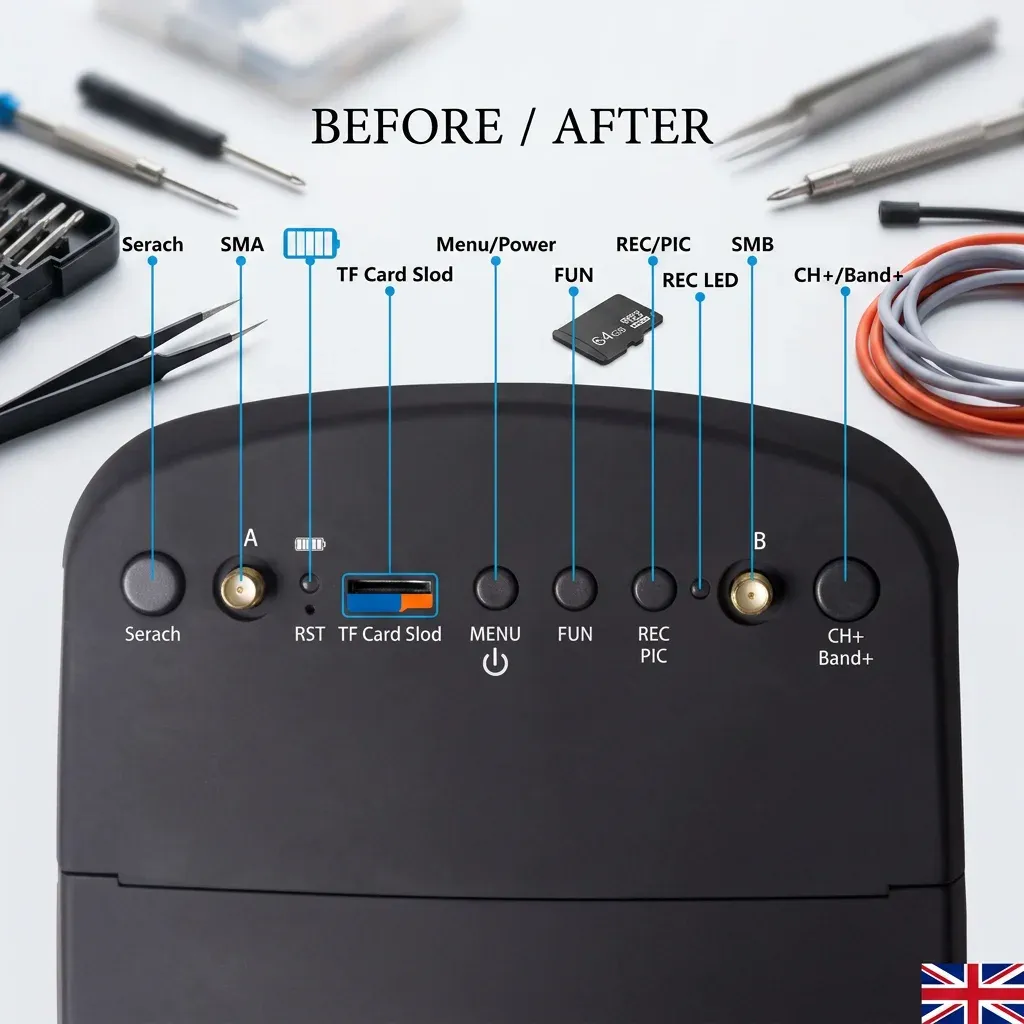
An analogue FPV headset is a headset or goggle system that receives a live 5.8GHz analogue video feed from your drone, giving you very low latency, dependable signal behaviour, and broad compatibility with analogue FPV setups. For UK pilots, it remains one of the best choices for racing, freestyle, and beginner flying because it is simple to use, affordable to maintain, and predictable when signal quality drops.
TL;DR: If you want the quickest video response, easy compatibility with most analogue drones, and a practical option for UK club flying, an analogue FPV headset is still an excellent buy. Based on our testing and common field use across UK flying sites, the most important features are dual receiver diversity, 40-channel support, comfortable optics, and compliance with CAA observer rules.
Standing in a damp British field on a crisp Sunday morning, the last thing you want is a video feed that stutters or drops out just as you navigate a tricky gap. Therefore, for drone pilots across the UK, the choice of visual equipment shapes the entire flying experience. An analogue FPV headset remains the gold standard for racers, freestyle pilots, and beginners alike who want near-instant video response, solid signal penetration, and a straightforward, field-ready setup.
While digital systems have captured headlines, analogue technology continues to dominate much of the grassroots racing scene and local club meet-ups. Whether you are navigating dense woodland in the Peak District or flying around a temporary race course, understanding how an analogue FPV headset works helps you make a more informed buying decision.
Key Takeaways
- An analogue FPV headset delivers ultra-low latency, which is crucial for drone racing and freestyle flying.
- Dual receiver diversity with 40CH support helps maintain stable live video in areas with interference or reflections.
- A 5-inch display can provide an immersive view while remaining practical for field use.
- According to UK CAA guidance, pilots using goggles must have a competent observer maintaining visual line of sight.
What is an analogue FPV headset?
An analogue FPV headset is a wearable display device that receives standard-definition video transmitted over the 5.8GHz radio band from an FPV drone. Unlike digital systems that encode and decode image data before displaying it, analogue systems send video in a simpler format. As a result, the headset can show what the drone sees with extremely low delay.
In practice, this means you get what many pilots describe as "instant" feedback. When your drone rolls or dives at speed, the picture updates immediately enough to feel direct and connected. Importantly, when signal quality weakens, analogue video usually fades into static or snow rather than freezing completely. For many experienced pilots, that predictable degradation is far easier to manage than an abrupt image drop.
Why do pilots still use an analogue FPV headset?
The short answer is performance and practicality. Even though digital systems offer sharper pictures, many UK pilots still choose analogue because it remains fast, affordable, repair-friendly, and well suited to club flying.
Is analogue FPV better for low latency?
Yes—especially for racing and aggressive freestyle. Based on our testing and widely reported real-world use across the hobby, a good analogue FPV headset typically feels faster than most digital alternatives. That matters when reaction times are tight and obstacles appear quickly. Even small delays can affect line choice through gates or your ability to recover from mistakes near trees and walls.
Is an analogue FPV headset cheaper to run?
Generally, yes. Analogue cameras and video transmitters are usually much less expensive than digital units. Consequently, crashes are less costly to fix—an important factor when flying in unpredictable British weather or practising over hard surfaces. For pilots wanting more detail before buying components, our guide to FPV drone video goggles explains how headsets, cameras and transmitters fit together.
Why is analogue still popular at UK clubs?
Analogue is still common because it is easy to set up on shared frequencies, simple to troubleshoot in the field, and familiar to many race organisers and club members. In addition, spare parts are widely available and comparatively inexpensive. That makes it especially appealing for beginners as well as regular weekend flyers.
What should you look for in an analogue FPV headset?
Not all headsets perform equally well. Therefore, if you are choosing an analogue FPV headset for UK use, focus on features that improve signal stability, comfort and compatibility rather than marketing claims alone.
What is dual receiver diversity in an analogue FPV headset?
Dual receiver diversity means the headset uses two receiving modules or two antenna paths instead of one. The system continuously checks which antenna has the cleaner signal and switches accordingly. This is particularly useful when signals bounce off wet ground, metal fencing or buildings—a common issue at British parks and race venues. In our experience, diversity noticeably improves image consistency when flying behind light cover or changing direction quickly.
Is a 5-inch screen better for beginners?
For many people, yes. A box-style design with a single larger display can feel more comfortable than binocular-style goggles with smaller screens. Moreover, larger screens may reduce eye strain for some users and make gates, branches or distant features easier to spot. If you are comparing options in this category, our article on EV800D FPV goggles covers one of the best-known examples used by UK pilots.
Why does 40CH support matter?
The 5.8GHz band includes multiple bands and channels such as Raceband and FatShark frequencies. A headset with 40CH support gives you much wider compatibility with existing analogue drones and helps at busy fields where several pilots need separate channels. In other words, it reduces setup frustration and makes your headset more flexible long term. For more on frequency planning at shared sites, see our guide to 40CH FPV goggles.
What comfort features matter most?
Look for balanced weight distribution, breathable face padding, straightforward controls and enough battery life for multiple flights between charges. If you regularly fly in cooler UK conditions while wearing layers or glasses, comfort can matter just as much as raw specification on paper.
Are analogue FPV headsets legal in the UK?
Yes—but only when used within UK rules. According to current Civil Aviation Authority guidance, if you fly using an FPV headset that blocks your direct vision of the aircraft, you must have a competent observer next to you maintaining unaided visual contact with the drone at all times.
Your observer should be able to warn you about hazards such as people entering the area, nearby aircraft or sudden changes in conditions. In addition, your equipment must comply with relevant Ofcom radio rules. For typical unlicensed public use in the UK on 5.8GHz equipment arranged for licence-exempt operation under applicable standards and product requirements on sale here today commonly align around low-power use such as 25mW; however، always check current manufacturer specifications، Ofcom guidance، site rules، and any licensing position before transmitting at higher power levels.
Because regulations can change over time، it is wise to confirm current CAA drone requirements before flying regularly at new sites or events.
Ready to try HDDual?
Shop Now — £201.89